
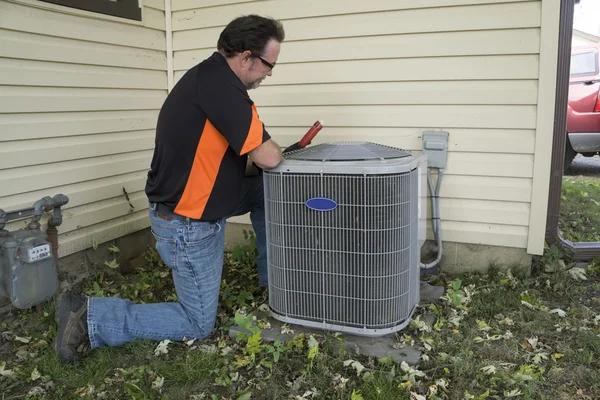
Mini-split air conditioning systems have become increasingly popular due to their efficiency, versatility, and ease of installation compared to traditional central air systems. However, the installation process requires a meticulous approach to ensure optimal performance and longevity. HVAC professionals employ several reliable methods during mini-split AC installations that guarantee efficient operation and customer satisfaction.
The first step in any successful mini-split installation is site assessment. HVAC technicians meticulously evaluate the space where the unit will be installed, considering factors such as room size, insulation quality, window placement, and potential obstructions. This assessment helps in determining the appropriate BTU (British Thermal Unit) rating for the unit to ensure it adequately cools or heats the intended area without excessive energy consumption.
Once an appropriate system is selected based on these calculations, precise positioning of both indoor and outdoor units becomes crucial. The indoor unit must be strategically placed to allow even distribution of air throughout the room while avoiding direct exposure to sunlight or heat sources that could affect its thermostat readings. Similarly, outdoor units require careful placement; they should be positioned on a stable surface with sufficient clearance from walls or other structures for proper airflow and maintenance access.
Drilling through walls for refrigerant lines is another critical aspect of installation handled expertly by professionals. They use specialized tools like hole saws designed specifically for this purpose to create clean openings without causing structural damage. Additionally, technicians are adept at sealing these penetrations effectively with weather-resistant materials to prevent water intrusion or energy loss.
Refrigerant line connections demand precision and expertise as well. HVAC pros utilize flaring tools to prepare copper pipes accurately before connecting them between indoor and outdoor units. Ensuring tight seals at every joint minimizes risks of leaks which can compromise system efficiency over time.
Electrical work involved in mini split ac installation installations also calls for professional attention due to safety implications associated with improper wiring practices. Technicians adhere strictly to local electrical codes when connecting power supplies ensuring safe operation once installed.
Finally yet importantly comes vacuuming refrigerant lines—a step often overlooked by amateurs but essential accordingtoHVAC standards—to remove moistureand contaminants before chargingthe systemwithrefrigerantsuchasR410A.Thisprocesspreventspotentialdamageandmaintainsoptimalperformanceovertime.To conclude,a well-executedmini-splitinstallationbyanexperiencedHVACprofessionalensuresnotonlyimmediatecomfortbutalsolong-termcostefficiencyandreliabilityfortheuser,resultinginagreaterreturnoninvestmentinthismoderncoolingsolution.Ongoingmaintenanceisstillrequiredtopreservetheseadvantages,yetstartingwithaproperinstallationlaysafoundationforsuccessfuloperationforyearstocome.