
When deciding between a mini split air conditioner and central air conditioning, several factors come into play, including efficiency, installation complexity, cost, and overall comfort. Both systems have their unique advantages and limitations, making the choice dependent on specific needs and preferences.
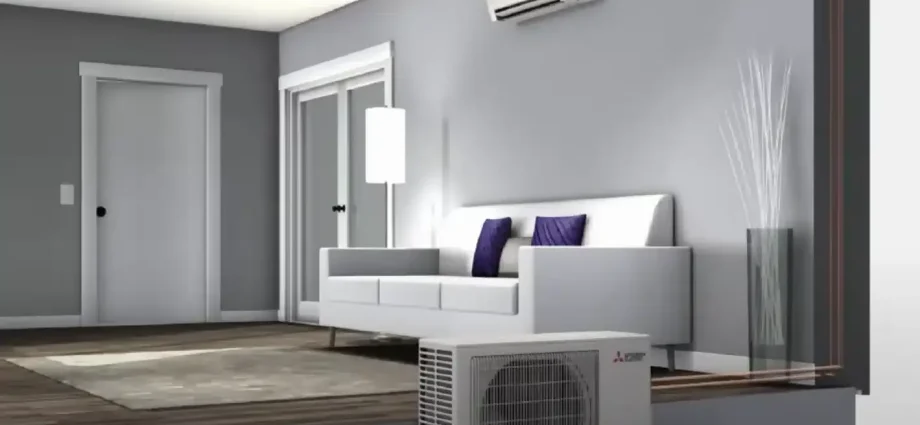
Mini split AC units are ductless systems consisting of an outdoor compressor and one or more indoor air handlers mounted on walls. They provide targeted cooling to individual rooms or zones rather than the entire house. This zoning capability allows for greater control over temperature in different areas, potentially reducing energy waste by only cooling occupied spaces. Mini splits are known for their high energy efficiency because they avoid losses associated with ductwork found in traditional central air systems. Additionally, installing a mini split ac is less invasive since it requires only small holes for refrigerant lines instead of extensive duct installation or modification.
Central air conditioning uses a single outdoor condenser connected to an indoor evaporator coil linked with a network of ducts that distribute cooled air throughout the home. This system provides uniform temperature control across all rooms simultaneously. Central AC is often preferred for larger homes where consistent cooling throughout multiple rooms is desired without managing separate units individually. However, its reliance on ducts can lead to energy loss if the ductwork is old or poorly sealed. Installation tends to be more complex and costly when ducts need repair or initial setup.
From a cost perspective, mini splits generally have lower upfront expenses when retrofitting homes without existing ductwork since no major remodeling is required. Conversely, central AC may be more economical in new constructions already designed with duct systems installed during building phases. Maintenance differs as well; mini splits require cleaning filters regularly but usually demand less frequent professional servicing compared to central units that involve both HVAC equipment and ducts needing inspection.
Comfort levels vary based on personal preference and home layout considerations. Mini splits excel in providing customized comfort by allowing individual room adjustments while minimizing noise due to quieter indoor units positioned close by rather than centralized noisy blowers characteristic of some central systems.
In summary, choosing between mini split ACs and central air depends largely on your home’s infrastructure, budget constraints, desired level of control over cooling zones, and long-term energy savings goals. For those seeking flexibility coupled with efficient operation in smaller spaces or older homes lacking ducts, mini splits offer compelling benefits. Meanwhile, homeowners aiming for seamless whole-house climate management might find traditional central air conditioning better suited despite potential higher installation costs and maintenance requirements. Evaluating these aspects carefully will help determine which system aligns best with your specific situation.