
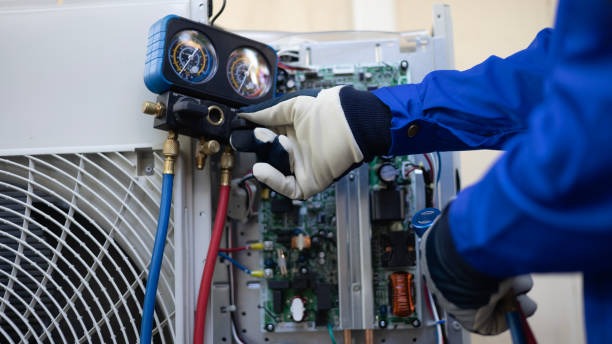
Heating, ventilation, and air conditioning (HVAC) systems are essential components in maintaining comfortable indoor environments. At the heart of these systems lies a crucial element known as the line set. HVAC line sets are responsible for transporting refrigerant between the outdoor condenser and the indoor evaporator coil. Given their critical role, it is imperative that these line sets are built for durability and performance to ensure efficient system operation and longevity.
Durability is a primary consideration when selecting HVAC line sets. These components must withstand various environmental conditions, including temperature fluctuations, UV exposure, moisture, and physical stress. High-quality materials such as copper or aluminum are commonly used due to their excellent thermal conductivity and resistance to corrosion. Copper has long been favored for its robustness and reliability; however, advancements in manufacturing have led to aluminum becoming an increasingly popular alternative due to its lighter weight and cost-effectiveness without compromising on performance.
The construction of line set for HVAC sets also plays a pivotal role in their durability. Insulation is vital as it prevents energy loss by minimizing heat transfer between the refrigerant inside the lines and the surrounding environment. This insulation not only enhances energy efficiency but also reduces condensation formation that can lead to mold growth or water damage over time. The use of high-grade insulation materials ensures that these risks are mitigated while prolonging the lifespan of both the line set itself and other system components.
Performance is equally important when discussing HVAC line sets. Properly designed line sets contribute significantly to overall system efficiency by facilitating optimal refrigerant flow rates with minimal pressure drops or restrictions along their length. This ensures consistent cooling or heating output from your HVAC unit while reducing operational strain on compressors which could otherwise lead them towards premature failure if faced with excessive workloads regularly caused by inefficient piping configurations.
In addition to material quality considerations during manufacture comes installation practices too – ensuring correct sizing based upon specific application requirements helps avoid potential issues related either underperformance (due insufficient capacity) overcapacity (leading unnecessary expense). Correct routing techniques should be employed prevent kinks bends where possible further enhancing operational effectiveness throughout entire lifecycle product usage within residential commercial settings alike!
Ultimately investing durable well-performing HVAC lines pays dividends terms reduced maintenance costs improved comfort levels occupants increased property value through enhanced energy savings achieved via optimized functionality delivered consistently year-round regardless climatic challenges posed external elements beyond control owners themselves! It’s clear why choosing right solution matters so much today more than ever before given growing emphasis placed sustainability conservation resources globally speaking – making smart decisions now benefits everyone involved long-term perspective indeed!